


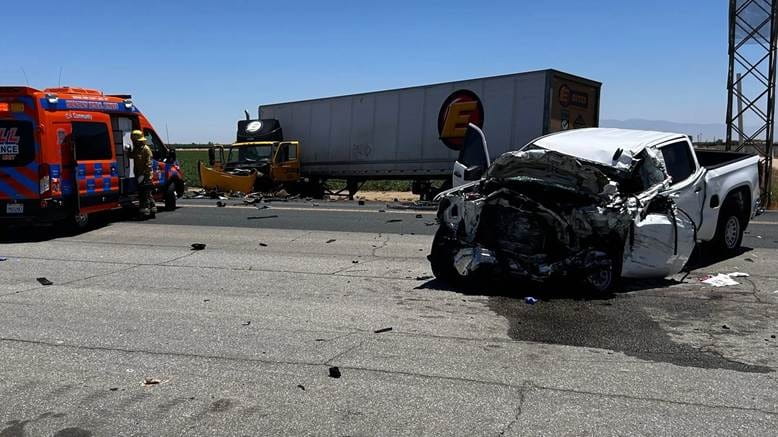
From The First Call To Settlement — And When A Case Needs Litigation
If you were hurt because someone else acted carelessly, California law gives you the right to pursue a personal injury claim, our Bakersfield, CA personal injury lawyer is here to help. But most people don’t realize that a strong case isn’t built in one dramatic moment—it’s built step-by-step, starting with the very first phone call and continuing through medical treatment, investigation, insurance negotiations, and sometimes a lawsuit in Kern County Superior Court.
In Bakersfield and throughout Kern County, the process follows a fairly consistent path. What changes from case to case is how hard the insurance company fights, how clear the liability evidence is, how serious the injuries are, and whether the carrier takes the claim seriously before litigation becomes necessary.
Step One: The First Call And Immediate Protection Of The Claim
The first conversation with a personal injury lawyer is about two things: protecting the claim and planning the road ahead. That means getting the basic facts of what happened, identifying the responsible parties, and figuring out what insurance coverage might apply. In Bakersfield cases, that often includes auto liability coverage, commercial policies, and sometimes uninsured/underinsured motorist coverage. It also means identifying early risks, like disputed fault, missing witnesses, or treatment gaps that insurers love to exploit later.
This is also when we start thinking about evidence preservation. Some of the best evidence in an injury case disappears fast—surveillance video gets overwritten, vehicles get repaired, skid marks fade, and witnesses become harder to find. Early action is one of the biggest differences between a claim that settles fairly and one that turns into a fight.
Step Two: Treatment Begins And The Medical Record Starts Telling The Story
Medical treatment is not just about getting better—it’s also the foundation of how damages are proven. In most Bakersfield personal injury cases, care starts with urgent care or an ER visit if needed, then transitions into follow-up care, imaging when appropriate (like X-rays or MRIs), and conservative treatment such as physical therapy. If symptoms persist, it’s common to see referrals to specialists like orthopedics, neurology, or pain management, and in some cases more advanced treatment such as injections or surgical consults.
Insurance companies evaluate a case through the lens of documentation. They look for early, consistent reporting of symptoms, treatment that matches the complaints, objective findings when available, and a reasonable progression of care. When a person delays treatment or has large gaps, carriers often argue the injuries weren’t serious or weren’t caused by the incident. That doesn’t mean a gap kills a case—real life happens—but it does mean we have to explain it and support it with the medical narrative and the facts.
Step Three: The Pre-litigation Investigation (What’s Happening Behind The Scenes)
While treatment is progressing, the “pre-litigation” phase is where your lawyer is quietly building the case. This is everything that happens before filing a lawsuit. In a Bakersfield or Kern County claim, it usually includes obtaining the traffic collision report, securing photographs and video, contacting witnesses, confirming insurance, and collecting medical records and bills as they come in. If liability is complex, it can also include consulting professionals such as accident reconstruction or human factors professionals.
Pre-litigation is also where we start building leverage. Insurance companies don’t pay top value because someone asks politely. They pay when the file proves liability and proves damages—and when they believe the plaintiff is willing and able to litigate if the carrier refuses to be reasonable.
Step Four: When The Demand Package Is Prepared And What It Includes
Most cases are not ready for a serious settlement demand until the injuries stabilize. That usually means the client has either completed treatment or reached a point where doctors can credibly describe what the future looks like—whether that’s full recovery, ongoing care, injections, surgery recommendations, or permanent limitations.
A demand package is a structured presentation of the entire case. It typically ties together how the incident happened, why the insured is responsible, how the injuries were caused, what treatment was required, what it cost, what income was lost, and how the injury changed daily life. It is not just a stack of records—it’s a narrative backed by documentation, designed to make it easy for the adjuster (and later, a jury) to understand the “why” behind the number.
Step Five: How Long The Insurance Company Has And What Negotiations Look Like
Clients often ask, “How long do they have to respond?” In practice, insurers commonly request around 30 days to evaluate a comprehensive demand, though the timing depends on the carrier, the complexity of the injuries, and whether multiple parties or policies are involved. If the case is serious and limits are an issue, deadlines can be used strategically, but they have to be used intelligently—because the goal is to create pressure while still appearing reasonable to a future judge, mediator, or jury.
Then comes negotiation. Insurance companies almost always start low. They may argue the treatment was excessive, blame pre-existing conditions, point to a treatment gap, or claim the property damage was minimal and therefore the injury must be minimal. The negotiation phase is where a well-prepared medical narrative matters, because it lets you counter those arguments with documentation rather than emotion.
Why A Bakersfield Or Kern County Case Goes To Litigation
Most personal injury cases settle without a lawsuit. But litigation becomes necessary when the insurance company refuses to pay a fair value based on the evidence. That can happen for a few common reasons in Kern County cases: liability is disputed (especially in left-turn, lane-change, or intersection scenarios), comparative fault is being pushed hard, the injuries are significant but the adjuster is treating the case like a minor claim, or the carrier is betting that the injured person won’t actually file suit.
Sometimes litigation isn’t about willingness—it’s about timing. California’s general statute of limitations for personal injury is two years from the date of injury, and if that deadline is approaching, a lawsuit must be filed to preserve the claim. Government-related cases have much shorter notice requirements. In other words, even if the case might settle later, filing can be necessary simply to keep the case alive.
There’s also a practical reality: once a lawsuit is filed, the defense must spend money. They hire counsel, answer discovery, take depositions, retain specialists , and face the risk of a Kern County jury. When a carrier is not taking a claim seriously, litigation forces accountability and forces the case to be valued as real litigation risk, not just a file number.
What Litigation Looks Like In Kern County Superior Court
After filing, the defendant typically has a limited time to respond. Then the case moves into discovery, which is the formal exchange of information. That includes written discovery (questions and document requests), depositions under oath, medical examinations requested by the defense, and eventually professional witness disclosures. Courts often require settlement efforts such as mediation, and many cases resolve during or after that process—especially once the defense has locked in testimony and understands how the plaintiff presents.
In Kern County, a typical litigation timeline can run many months to more than a year depending on complexity, court scheduling, and how aggressively the defense litigates. The key point is that filing suit doesn’t mean you’re “going to trial.” It means you are preparing the case as if trial is possible, which is often what drives meaningful settlement.
A Critical Consideration: Privacy And Personal Intrusion During Litigation
One issue people don’t think about until it happens is privacy. When a case is in litigation, the defense gains tools to dig into your life. Medical history becomes fair game to a greater extent. Employment records may be requested. Social media is frequently monitored. In some cases, surveillance is performed. None of this means you can’t win—it just means litigation is more intrusive than pre-suit negotiation, and clients should be prepared for that reality.
That said, privacy is also part of leverage. If a carrier refuses to pay a fair claim pre-suit, litigation is the mechanism that forces the defendant and insurer to answer under oath, produce documents, and face the risk of trial.
The Bottom Line: The Strongest Cases Are Build, Not Rushed
A successful personal injury case in Bakersfield or Kern County is usually the result of disciplined sequencing: early investigation, consistent medical documentation, a clear demand presentation at the right time, and a credible willingness to litigate when the insurer won’t be reasonable. Some cases resolve early because the facts are clear and the carrier acts responsibly. Others require litigation because the only way to get a fair result is to prepare the case like it will be tried.
Bakersfield & Kern County Personal Injury FAQs
Do I have to file a lawsuit to get paid?
Usually not. Many Bakersfield and Kern County injury claims resolve in the pre-litigation phase through insurance negotiations once treatment stabilizes and the demand package is supported by records. A lawsuit becomes more likely when liability is disputed, the carrier undervalues the injuries, or deadlines (like the statute of limitations) are approaching.
How long do personal injury cases take in Bakersfield?
It depends on the injury and the insurance company’s posture. If treatment is straightforward and liability is clear, some cases can resolve within a few months after treatment stabilizes and a demand is submitted. If the injuries require longer treatment, injections, surgery, or extensive imaging, settlement typically happens later because the case value cannot be responsibly measured until the medical picture is clear. If litigation is required in Kern County Superior Court, the timeline often expands significantly because discovery, depositions, specialist work, mediation, and trial settings take time.
When should I get medical treatment after an accident?
Immediately—both for your health and for your claim. If you delay, insurers often argue you weren’t actually hurt or that something else caused the condition. Early evaluation also creates a baseline record of symptoms, which matters later if the defense tries to blame “pre-existing” issues or claim the injuries were minor.
What if I feel “okay” at first, then get worse a few days later?
That’s common. Adrenaline and shock can mask symptoms for 24–72 hours, especially with neck, back, and soft-tissue injuries. The important part is to get evaluated as soon as symptoms appear and to be consistent in reporting what you’re experiencing so the medical record reflects a clear progression.
What if there are gaps in my treatment?
Gaps don’t automatically ruin a case, but they do become a talking point for the defense. In Bakersfield cases, insurance carriers regularly argue that treatment gaps mean the injury resolved, wasn’t serious, or wasn’t related. If a gap exists for real-life reasons—work, childcare, cost, scheduling, transportation—those reasons should be documented and explained so it doesn’t look like the injury “disappeared.”
When is a settlement demand usually sent?
A demand is typically sent once the client has reached a stable point in treatment—either finished care or at least reached a plateau where future recommendations are known (for example, ongoing therapy, injections, or a surgical consult). Sending a demand too early often leads to undervaluation because future care, permanency, and wage impacts aren’t yet fully supported.
How long does the insurance company have to respond to a demand?
There isn’t a single universal “deadline” in every case, but it’s common for carriers to ask for about 30 days to evaluate a complete demand. In higher-value cases or policy-limit demands, deadlines may be set strategically to force a decision and document whether the carrier is acting reasonably, especially when liability and damages are well-supported.
Why would my case go to litigation in Kern County Superior Court?
The most common reasons are disputed fault, comparative negligence arguments, lowball valuation of serious injuries, or a carrier simply refusing to negotiate in good faith. Litigation forces the defense to answer discovery, produce documents, and testify under oath—often changing the value discussion once the carrier sees the case is being prepared like it will be tried.
If we file a lawsuit, does that mean we’re going to trial?
Not necessarily. Filing suit is often the step that gets the case taken seriously and moves the carrier into a litigation-risk mindset. Many cases settle during litigation—often after key depositions, professional evaluations, or mediation—without ever reaching a courtroom.
Will my personal information become public if we sue?
Some of it can. The complaint itself becomes public record. Litigation also allows the defense to request broader information through discovery, including prior medical history relevant to the injuries at issue, wage loss documentation, and sometimes social media content if it relates to claimed limitations. This is one reason some clients prefer pre-suit resolution when the carrier is reasonable—but if the carrier isn’t, litigation may be the necessary path.
Should I post about the accident or my injuries on social media?
No. Defense attorneys and insurance companies routinely look for posts that can be taken out of context. Even innocent photos can be mischaracterized to argue you’re not hurt or that you’re exaggerating. The safest approach is to avoid posting about the accident, your symptoms, your activities, or the case while it’s pending.
What’s the deadline to file a personal injury lawsuit in California?
In most cases, it’s two years from the date of injury. Claims involving government entities can have much shorter notice requirements. Because deadlines can turn a valid case into a barred case overnight, it’s important to get legal eyes on timing early—even if you’re hoping the case resolves without litigation.
Speak With Rulsky Law Group About Your Bakersfield Injury Case
If you or a loved one has been injured in Bakersfield or anywhere in Kern County, the next step matters. The decisions made early in a case—how treatment is documented, how evidence is preserved, and how the insurance company is handled—can directly affect the outcome.
Rulsky Law Group is committed to building cases the right way from day one. We will evaluate your situation carefully, explain your options clearly, and pursue the full recovery the law allows.
📞 Call 661-7-LAWYER (661-752-9937)
📧 Email: [email protected]
Contact Rulsky Law Group today for a confidential consultation. We’ll walk you through the process, protect your rights, and position your case for the strongest possible result.
When it comes to serious personal injury cases in Bakersfield and Kern County, preparation, strategy, and trial readiness make the difference.


